Inconsistent Remote Connectivity
Well sites, gathering lines, and remote field locations often sit at the edge of a single carrier's coverage footprint.

Industry Solutions — Oil & Gas
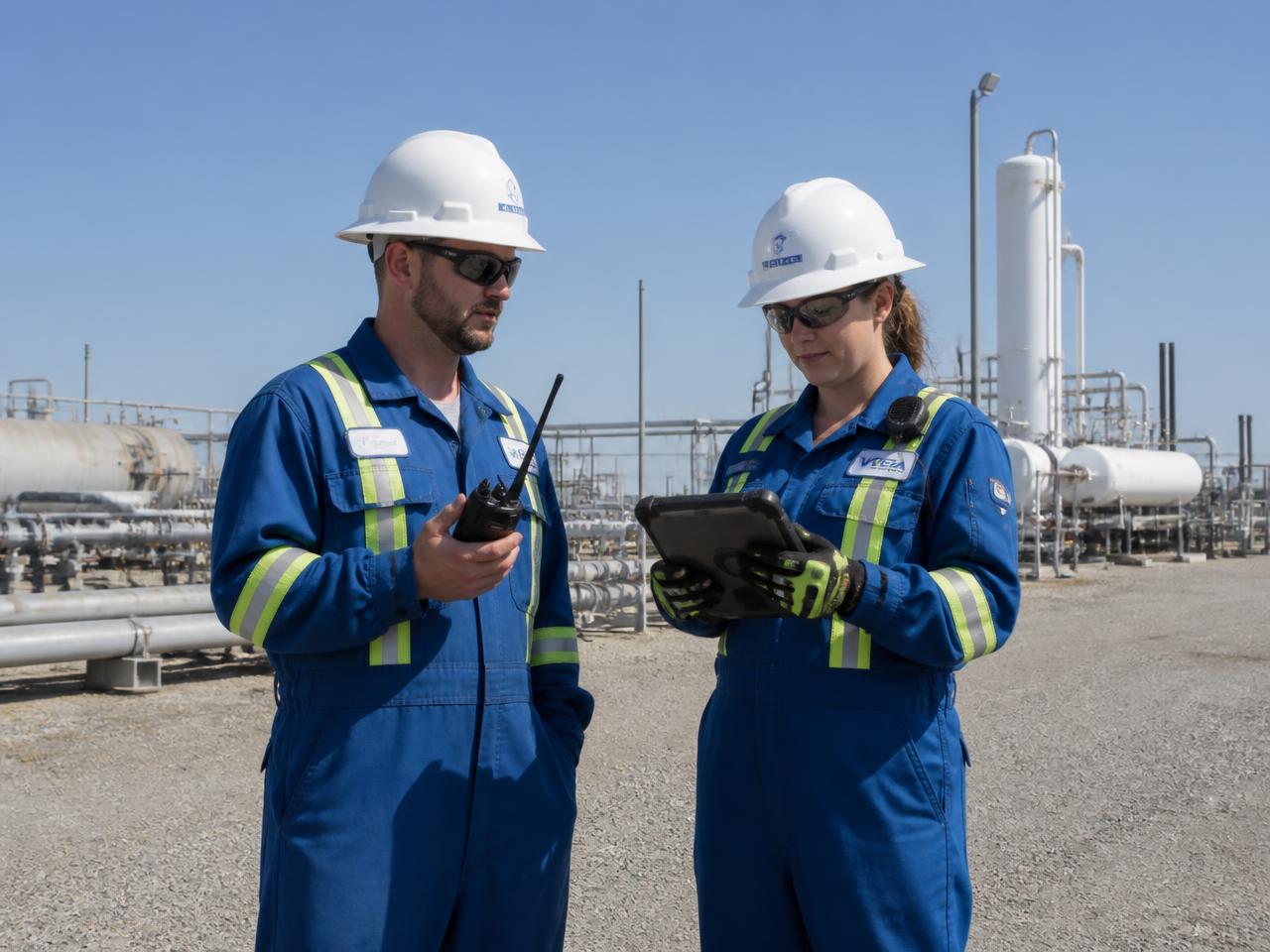
Keeping crews connected across pipelines, well sites, refineries, terminals, and remote field operations is challenging when communications, connectivity, and operational data are spread across multiple systems.
ip³Things helps simplify communications with managed Push-to-Talk over Cellular (PTToC), rugged devices, multi-carrier connectivity, IoT monitoring, and deployment support — so your teams can stay connected without adding unnecessary complexity.
Keep what works. Connect what does not.
Nationwide LTE coverage



Oil & Gas organizations often need reliable communication across geographically dispersed teams, vehicles, facilities, and remote assets. A managed communications approach can help unify Push-to-Talk over Cellular (PTToC), rugged devices, multi-carrier connectivity, and Industrial IoT into a simpler operational workflow.
Rather than replacing existing radio systems, ip³Things helps organizations extend communications, improve visibility, and connect field operations with managed deployment and ongoing support.
Most Oil & Gas organizations do not struggle because they lack communication tools. They struggle because communications become fragmented as operations grow.
Field crews may work across multiple sites, vehicles, contractors, and coverage areas. Different teams often rely on different devices, carriers, and workflows, making coordination more difficult than it needs to be.
Well sites, gathering lines, and remote field locations often sit at the edge of a single carrier's coverage footprint.
Radios, phones, contractor devices, and site systems frequently operate independently, making coordination harder than it needs to be.
Operations and dispatch teams may have little insight into where crews, vehicles, and assets are across dispersed operating areas.
Delays in reaching the right crew or contractor extend response times for routine maintenance and field service activities.
Managing communications across mixed workforces, rotating crews, and third-party contractors adds administrative overhead.
Adding sites, vehicles, and users often means adding more vendors, carriers, and device management work.
What many organizations need is not another standalone device — but a simpler, managed communications strategy.
Classified-site monitoring pathway
ip³Things offers BLE edge options for asset identification and proximity/location, plus selected condition and movement sensing. A compatible tracker or gateway carries data into the network and platform. The site classification and exact product configuration must be reviewed during solution design.
Intrinsically safe communications devices are a separate solution family with their own certifications and approval requirements.
ip³Things brings together communications, connectivity, rugged devices, and Industrial IoT into a managed solution designed to reduce complexity across field operations.
Rather than requiring organizations to assemble multiple disconnected technologies, ip³Things helps integrate communication workflows, improve deployment consistency, and simplify day-to-day operations.
Specific integrations and capabilities should be confirmed prior to deployment where applicable.
Instant voice across crews, vehicles, and facilities on managed LTE and Wi-Fi.
Field-ready handhelds, smart microphones, and mobile devices selected for field conditions.
Managed connectivity designed to improve availability across mixed-coverage operating areas.
Keep drivers, service trucks, and maintenance crews coordinated with operations.
Connected sensors for equipment, tanks and remote asset workflows, including separately configured BLE hazardous-area options.
Connected field assets that extend operational awareness where appropriate.
Location and talkgroup visibility to help coordinators direct field activity.
Centralized device onboarding, provisioning, and ongoing lifecycle management.
IoT is hard. We make it easy. PTT is hard. We make it easy.
Reduce complexity by bringing communications, connectivity, and operational workflows together.
Help teams stay connected across geographically dispersed work environments.
Provide greater insight into field activities through connected communications and IoT workflows.
Support expanding operations with managed deployment, onboarding, and lifecycle management.
Complement existing communications systems while extending operational flexibility.
Assess your communications environment across sites, vehicles, crews, and contractors.
Identify operational challenges, coverage conditions, and connectivity requirements.
Design a managed communications approach using appropriate devices, connectivity, and workflows.
Deploy, configure, and onboard users with pre-provisioned devices and centralized management.
Support ongoing operations with managed lifecycle services and continuous optimization.
Every deployment is different. Product selection, integrations, coverage, and environmental requirements should be validated during discovery. [VERIFY BEFORE PUBLISHING]
Modernizing field communications is an operational planning exercise — not simply a device purchase. Your ip³Things specialist will help scope each of these areas before rollout.
The value of managed communications shows up in daily workflows — how quickly a crew is reached, how work is reassigned, and how cleanly contractors are brought in and out.
Upstream
Pumpers, lease operators, and contractors coordinate route work and exceptions over one talkgroup instead of chasing individual cell calls between pads.
Midstream
Crews working a right-of-way stay in contact with control room and supervisors while moving between segments and coverage areas.
Downstream
Unit operators, maintenance, and loading rack personnel use structured talkgroups so routine coordination stays off emergency channels.
Field Service
Inspectors confirm arrival, escalate findings, and reach the right specialist without leaving the site or hunting for phone numbers.
Workforce
Third-party crews are grouped for the length of a project, given the access they need, and removed cleanly at close-out.
Fleet
Dispatch sees vehicle location and talkgroup activity together, so reassignments happen based on who is actually nearby.
Maintenance
Planned and unplanned work is coordinated across shops, field crews, and operations without relaying messages through multiple systems.
Industrial IoT
Sensor and equipment data reaches the same teams that carry the radios, so a condition change turns into a dispatched task faster.
Information moves in both directions: work flows out from dispatch to the field, and status, location, and asset conditions flow back to operations management.
Initiates and routes work, monitors talkgroups and field location.
Assign priorities, confirm status, and escalate exceptions.
Communicate hands-free from the field with rugged devices.
Stay reachable in transit and report location back to dispatch.
Sensors and connected equipment report conditions that trigger work.
Reviews activity and coverage to plan staffing and future work.
A practical comparison of how communications are typically managed today versus a managed communications approach with ip³Things.
| Consideration | Traditional fragmented communications | Managed communications with ip³Things |
|---|---|---|
| Coordination | Separate radios, phones, and apps by team or site | Shared talkgroups across crews, vehicles, and facilities |
| Deployment | Devices sourced and configured locally, site by site | Devices pre-configured centrally and shipped ready to activate |
| Visibility | Limited insight into field location and activity | Location and talkgroup visibility in a dispatch view |
| Scalability | New sites often mean new vendors and processes | Repeatable onboarding template as operations expand |
| Device management | Handled ad hoc by field supervisors or local IT | Centralized provisioning, replacement, and lifecycle support |
| Carrier management | Multiple carrier accounts and billing relationships | Managed multi-carrier connectivity under one plan |
| Operational consistency | Workflows differ by district or crew | Common workflows and naming across the operating footprint |
| Support | Split across hardware, carrier, and software vendors | One managed support relationship |
| Expansion flexibility | Adding IoT or fleet data is a separate project | Communications and IoT planned on the same managed layer |
Results vary by operating environment. Coverage, integrations, and device suitability should be validated during discovery.
Most organizations do not modernize because of one problem. They modernize because several small frictions start compounding. If several of these describe your operation, a communications assessment is usually the right next step.
There is no obligation attached to an assessment. It is a structured conversation about how your teams communicate today, where the gaps are, and what a phased path forward could look like.
A managed approach that combines Push-to-Talk over Cellular, rugged field devices, and multi-carrier LTE connectivity generally works best, because coverage follows the cellular network across dispersed sites and one partner manages devices, connectivity, and support.
PTToC gives crews instant one-to-many voice over LTE and Wi-Fi. Supervisors reach an entire crew with one press, dispatch can see talkgroup and location activity, and coverage extends anywhere supported cellular service is available.
Industrial IoT is the use of connected sensors, gateways, and equipment to report operational data — location, run status, tank level, temperature — so operations teams can act on conditions instead of waiting for a site visit.
Field operations rarely sit inside one carrier's best coverage. Multi-carrier connectivity lets devices use supported networks, which can improve availability for crews traveling across regions and mixed-coverage areas.
One partner handles device selection, provisioning, connectivity, onboarding, and lifecycle support — replacing several vendor relationships with a single deployment and support plan.
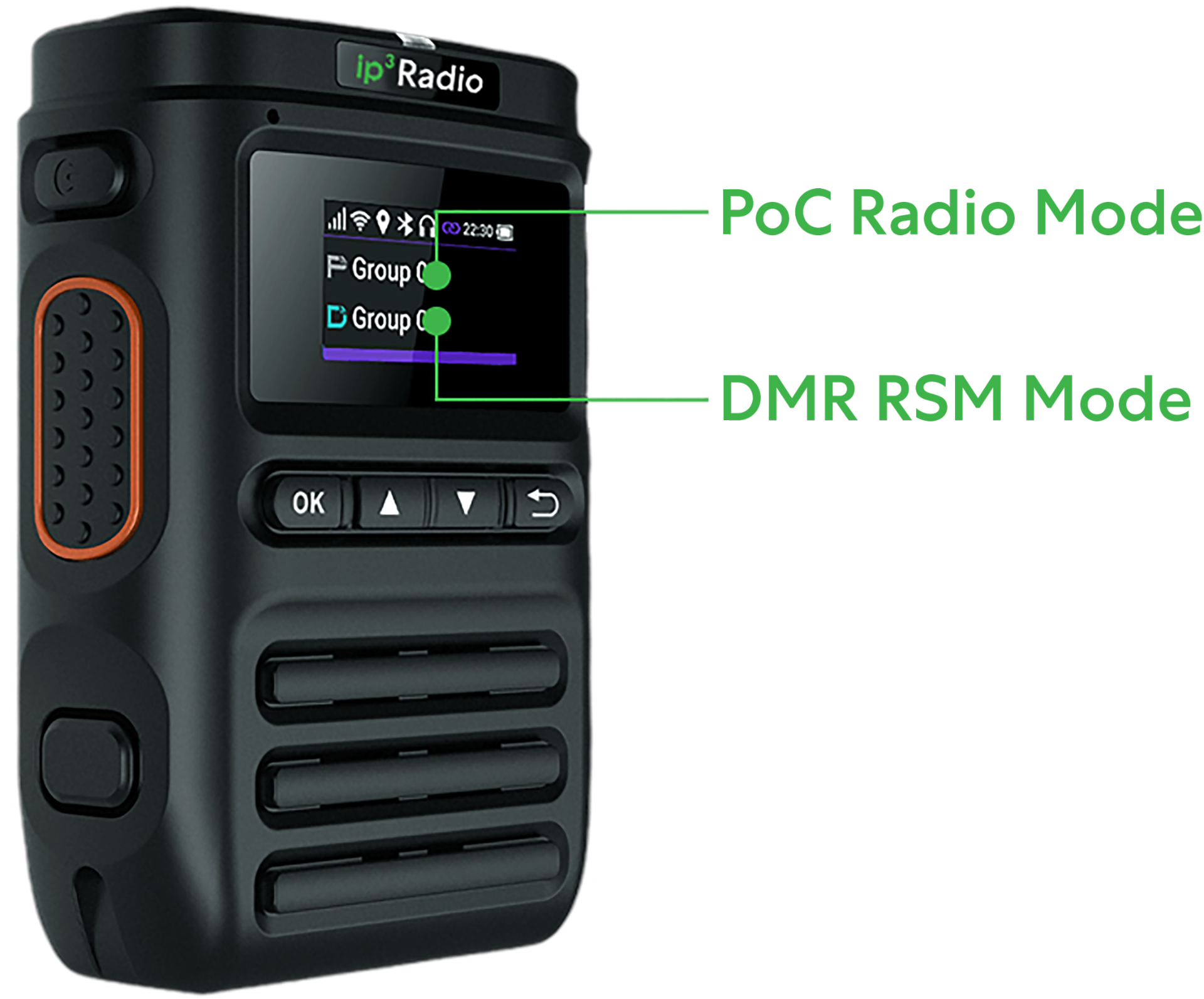
Rugged LTE smart microphone for PTToC in field environments.
Learn more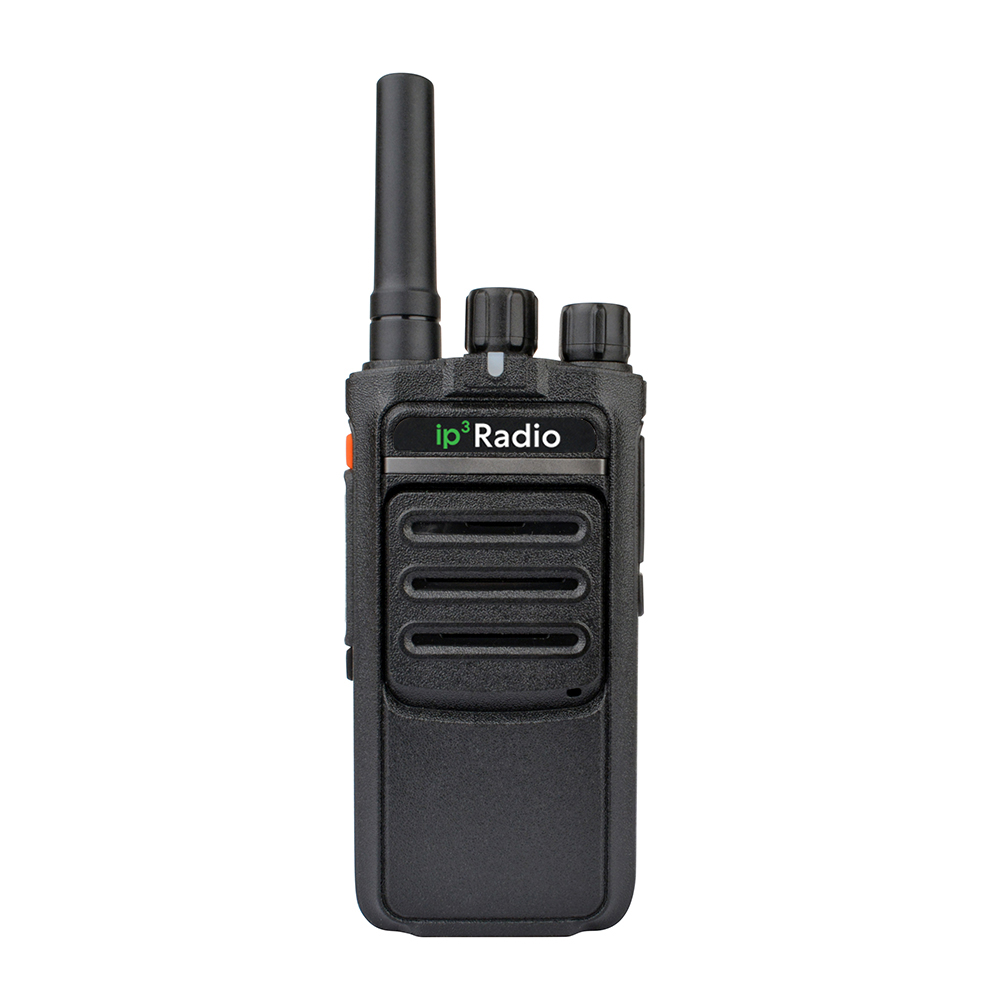
Compact LTE PTToC handheld for field crews.
Learn more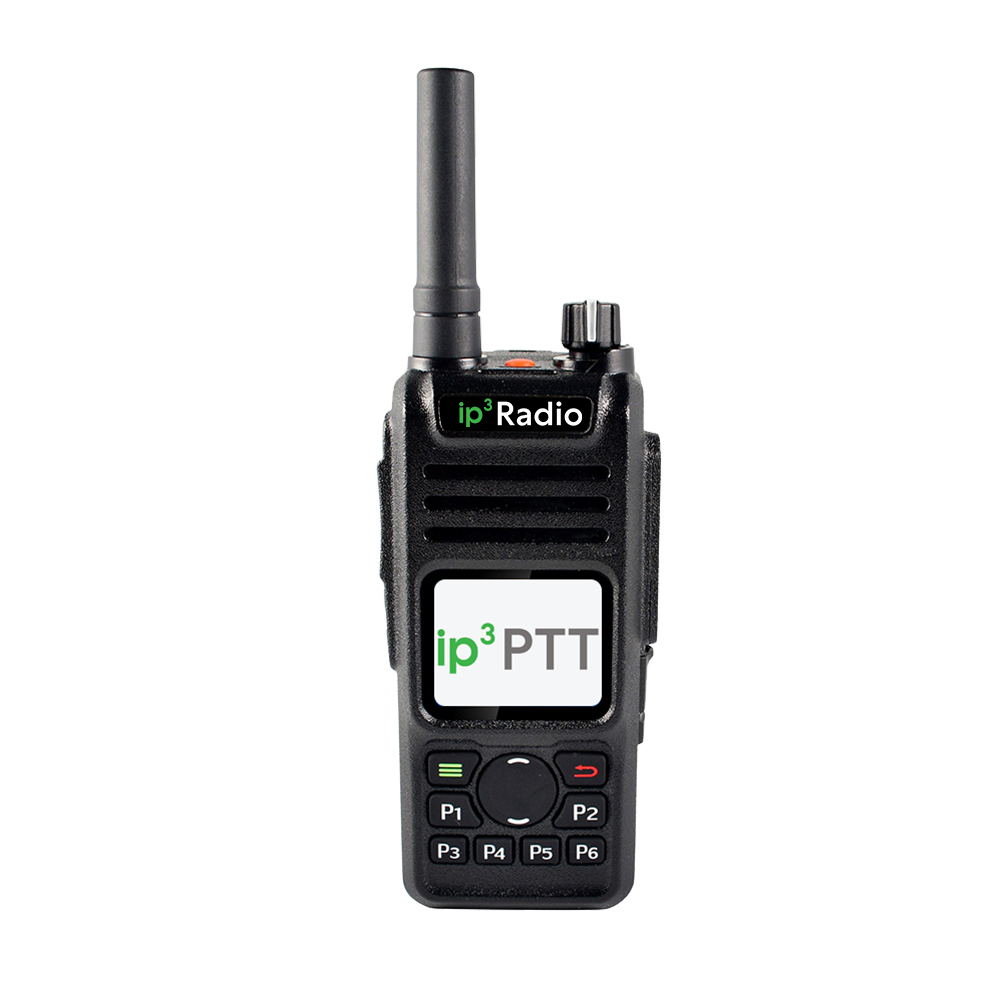
Rugged LTE PTToC radio with display and extended battery.
Learn more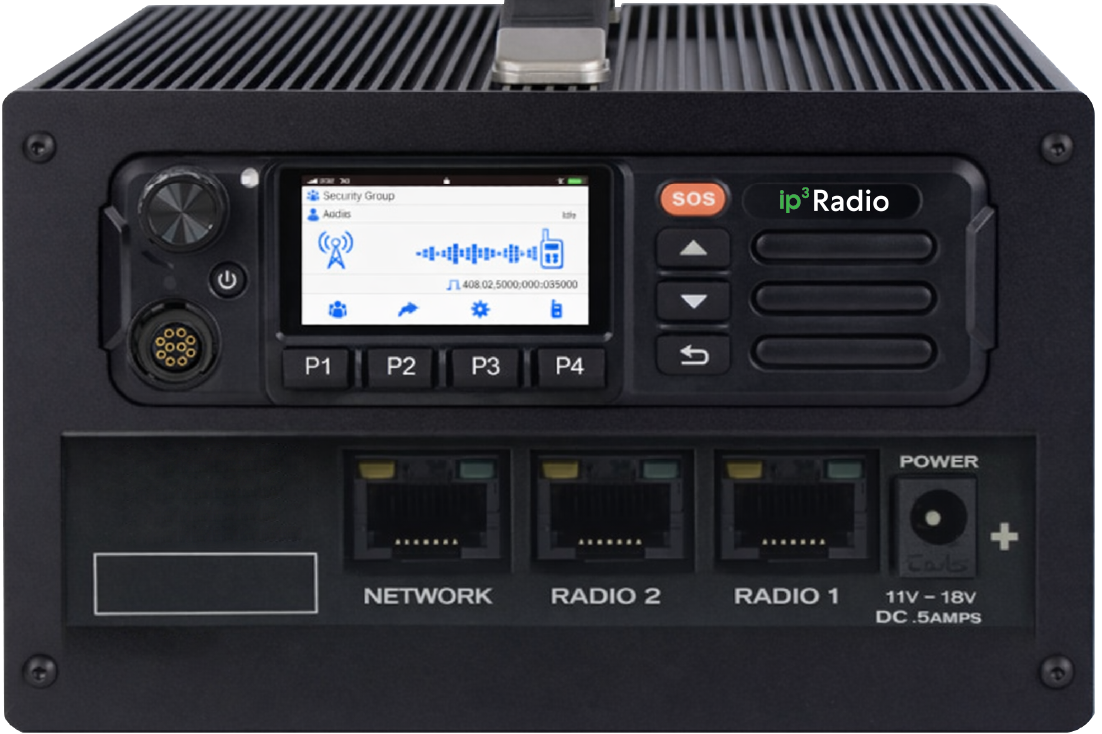
Rugged gateways for connected field operations.
Learn more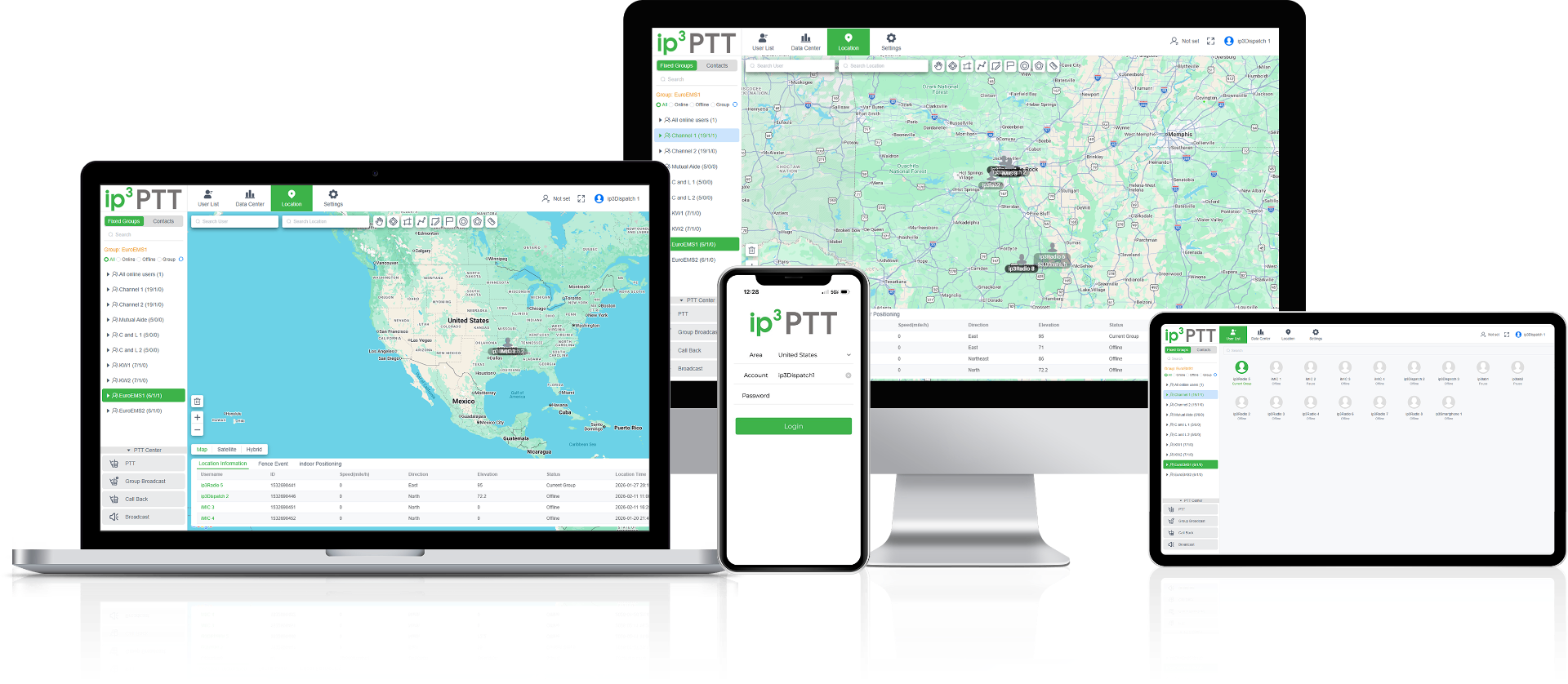
PTToC app for smartphones and rugged tablets.
Learn more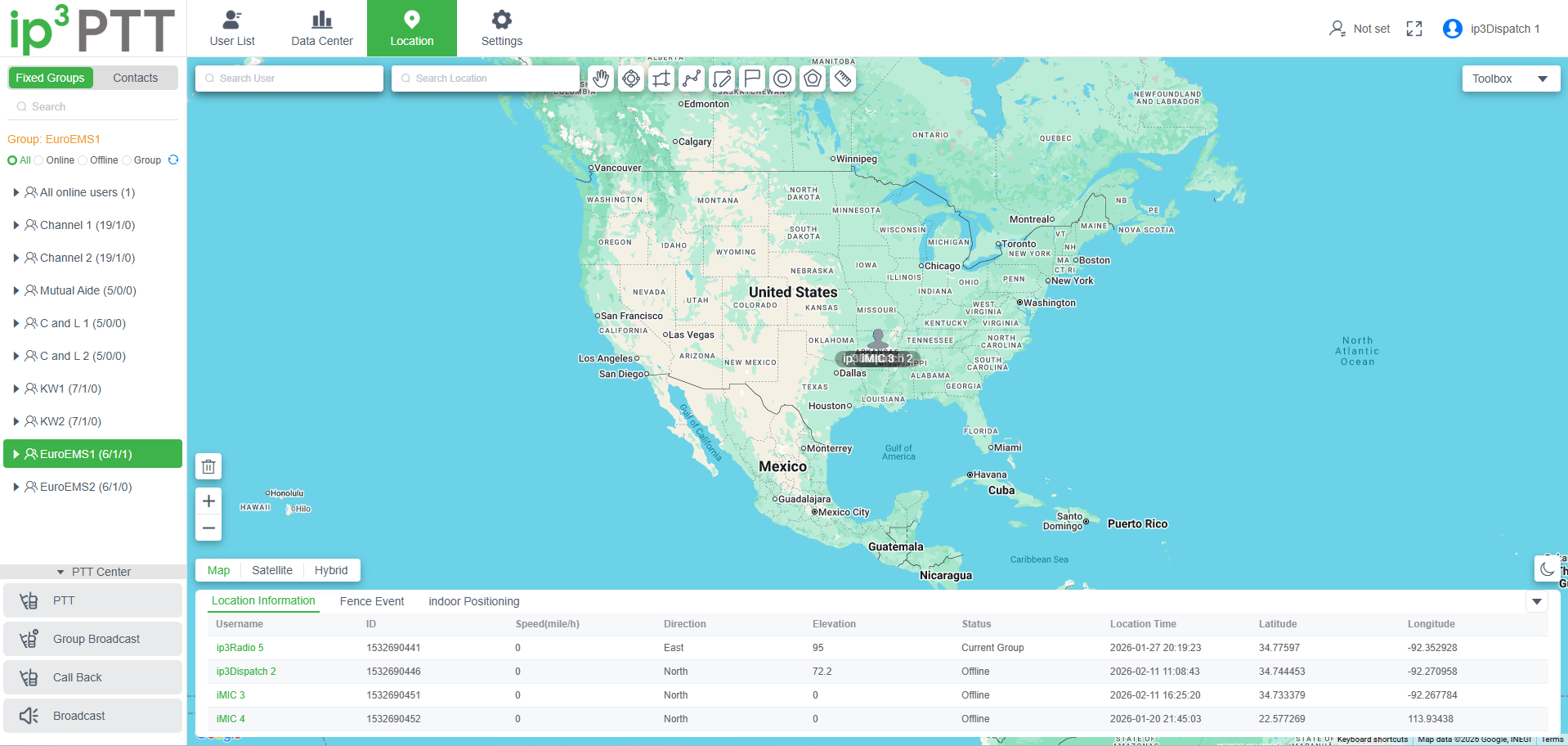
Browser-based dispatch console for field coordination.
Learn moreBLE asset identification and condition workflows through compatible trackers or gateways.
Managed PTToC and rugged devices for public safety agencies.
Field communications for utility crews and distributed infrastructure.
Vehicle visibility and fleet communications workflows.
PTToC mobile app and browser-based dispatch console.
Connected sensors for remote asset and equipment monitoring.
Track and monitor dispersed equipment and assets.
Managed multi-carrier LTE connectivity for field devices.
Scope a communications assessment for your operating footprint.
Descriptive paths into the products, solutions and background reading most often used by upstream, midstream and downstream operations teams.
An assessment is a working conversation, not a sales pitch. We review how your crews communicate today, where coverage and visibility break down across well sites, pipelines and terminals, and which practical modernization steps complement the radio and SCADA systems you already rely on.
Many teams start with a single question — about coverage in a remote basin, bridging existing radios, or what an Industrial IoT rollout actually involves. Ask it, and we will answer plainly.
Get a direct answer from an engineer, with no follow-up sequence.
Compare industry solutions across utilities, fleet and public safety operations.
Browse ip³Things solutionsAsk for product detail, deployment specifics or reference material by email.
Email the ip³Things teamThe more we know about your sites, crews and existing systems, the more specific our first response can be. Every field except name, company, email and challenges is optional.
Tell us about your field operations, existing LMR or dispatch systems and coverage gaps. An ip³Things engineer reviews every request and typically responds within one business day.
Whether you operate well sites, pipelines, terminals, refineries, or field service fleets, ip³Things can help you build a managed communications and IoT approach that complements the systems you already use.
IoT is hard. PTT is hard. We make it easy.