Communication Silos
Police, public works, transportation, facilities, and municipal departments often operate on separate communication systems that slow coordination.

Mission-critical radio systems remain essential. But many day-to-day operational communications don't require every user to carry an expensive LMR radio. ip³Things helps public safety organizations improve coordination by connecting people, devices, networks, and workflows — while preserving existing investments in Land Mobile Radio.
Keep what works. Connect what doesn't.
ip³Things complements — not replaces — authorized mission-critical LMR systems.
Nationwide LTE coverage



Managed public safety communications combine Push-to-Talk over Cellular (PTToC), rugged devices, multi-carrier LTE connectivity, LMR interoperability, and centralized management — delivered as one operational service. They complement existing mission-critical radio systems by extending day-to-day coordination across departments, agencies, and field personnel.
Who uses them?
Police, sheriff's offices, emergency management, dispatch, School Resource Officers, public works, utilities, transportation, and other municipal operations. Not everyone needs a mission-critical LMR radio. Everyone does need reliable communication.
Most agencies face the same set of operational communications challenges:
Police, public works, transportation, facilities, and municipal departments often operate on separate communication systems that slow coordination.
Existing radio footprints don't always cover schools, transit routes, remote facilities, or mutual-aid response areas.
Equipping every administrator, driver, SRO, and support staff with a mission-critical LMR radio is often not operationally justified.
Neighboring agencies, contractors, and municipal departments frequently can't talk on shared talkgroups during multi-agency operations.
Standing up new users, provisioning carriers, and managing devices across the fleet consumes limited IT and communications staff.
Critical information may remain isolated between departments, delaying decision-making and increasing operational complexity.
The challenge is rarely replacing existing systems. The challenge is connecting them.
ip³Things brings together the elements agencies need to modernize operational communications — without disrupting mission-critical LMR workflows:
Simpler communications. Less complexity. PTT is hard. We make it easy.
Nationwide LTE coverage on every major U.S. carrier
Secure by default
Help departments communicate more efficiently across everyday operational activities.
Extend existing communications systems instead of replacing them.
Deploy devices quickly with centralized management and pre-provisioned connectivity.
Reach personnel beyond traditional radio footprints using managed LTE connectivity.
Bring departments, contractors, and mutual-aid partners onto shared talkgroups.
Devices, connectivity, onboarding, workflows, and support delivered by one partner.
Review agency structure, existing radio systems, coverage, and operational communications needs.
Structure talkgroups, roles, and interoperability points that complement existing workflows.
Configure devices, users, and multi-carrier connectivity in a centralized management console.
Ship pre-configured devices ready to activate — no field integration required.
Onboard supervisors, dispatchers, and field users with best-practice talkgroup and workflow guidance.
Ongoing managed support across devices, connectivity, and platform updates.
Successful communications modernization is an operational planning exercise — not simply a device purchase. Your ip³Things specialist will help scope each of these areas before rollout.
The following examples illustrate how ip³Things can help improve operational coordination while preserving existing communications investments.
A city experiences severe weather requiring coordination between police, public works, utilities, and emergency management. Managed PTToC talkgroups let departments coordinate response without replacing the LMR systems each team already relies on.
School Resource Officers, campus administrators, transportation, and facilities staff coordinate day-to-day operations on shared talkgroups. Existing authorized law-enforcement radio procedures remain in place for escalation.
Patrol supervisors, animal control, code enforcement, and inspection teams stay connected across the county on managed LTE — including areas beyond the traditional radio footprint.
Traditional LMR, generic PTToC, and managed public safety communications each play different roles. This comparison focuses on day-to-day operational communications alongside your existing LMR system.
| Capability | Traditional LMR | Generic PTToC | ip³Things Managed |
|---|---|---|---|
| Primary use | Mission-critical voice | Basic PTT app | Day-to-day operational communications |
| Coverage | Fixed radio footprint | Basic PTT app | LTE coverage where available (multi-carrier) |
| Device cost per user | High | Basic PTT app | Lower per-user entry point |
| Cross-department interoperability | Often limited | Basic PTT app | Shared talkgroups across departments |
| Deployment speed | Infrastructure-dependent | Basic PTT app | Pre-configured devices ship ready |
| Management model | Agency-managed | Basic PTT app | Managed by ip³Things |
| Complements LMR | N/A | Basic PTT app | Yes — extends existing workflows |
Managed communications complement authorized mission-critical LMR systems and are not intended to replace them.
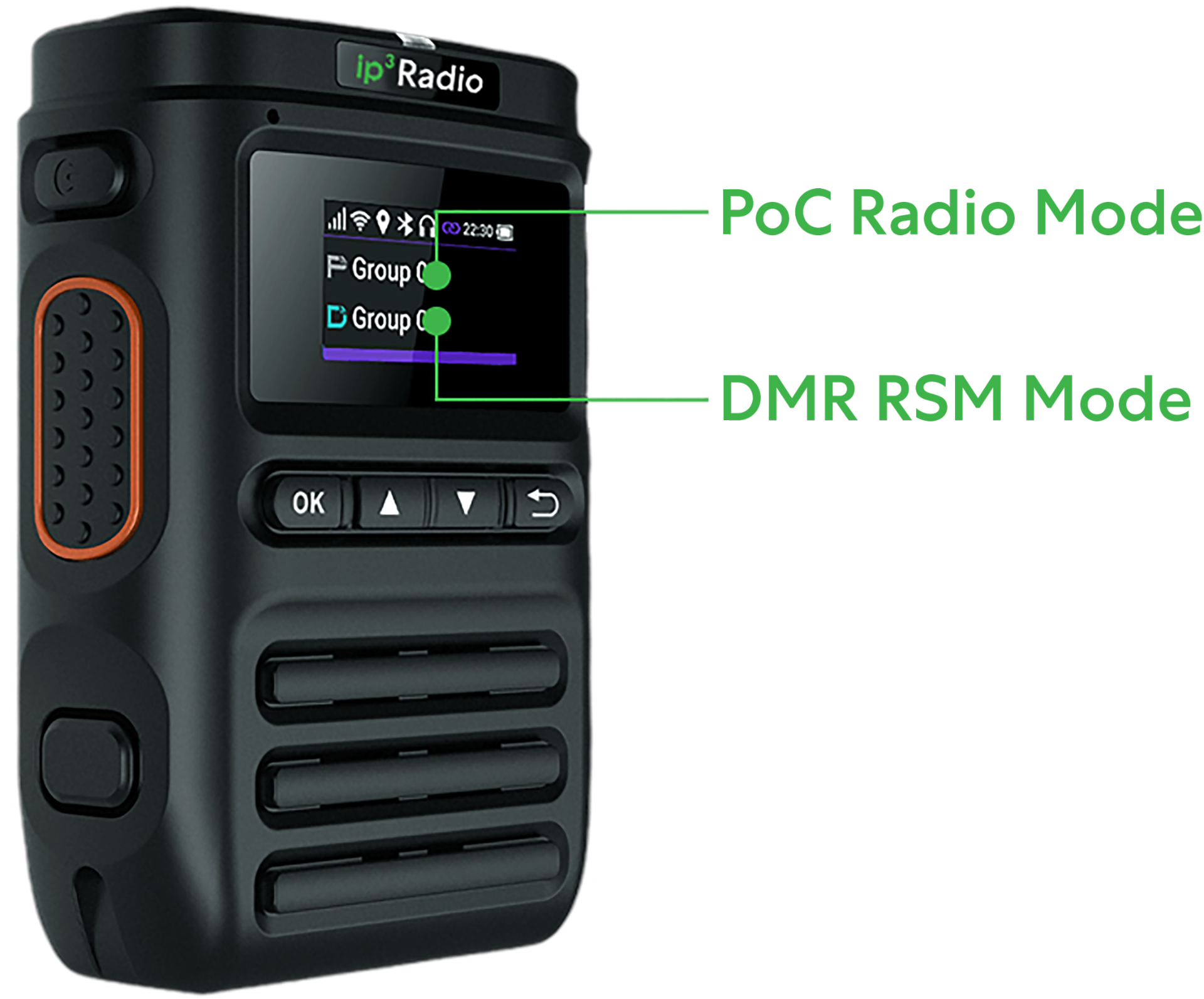
Rugged LTE smart microphone for PTToC.
Learn more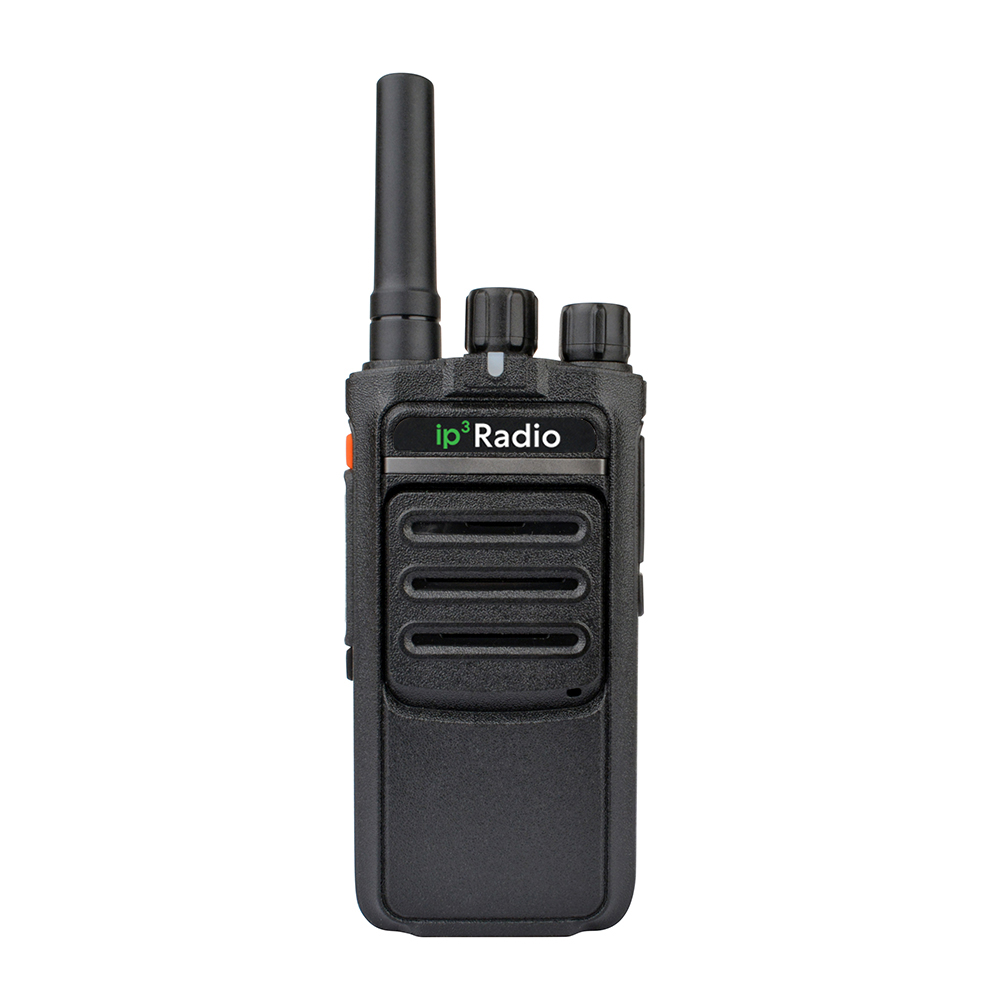
Compact LTE PTToC handheld for public safety field use.
Learn more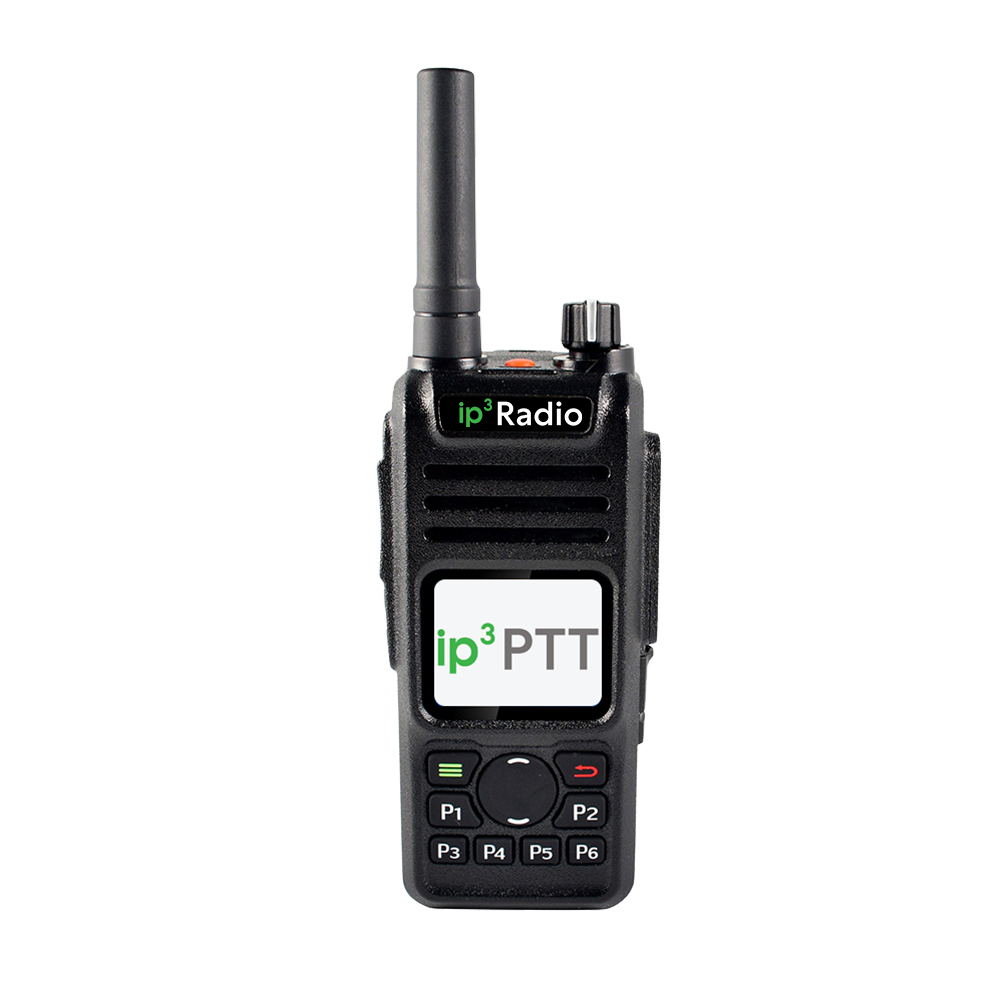
Rugged LTE PTToC radio with display and extended battery.
Learn more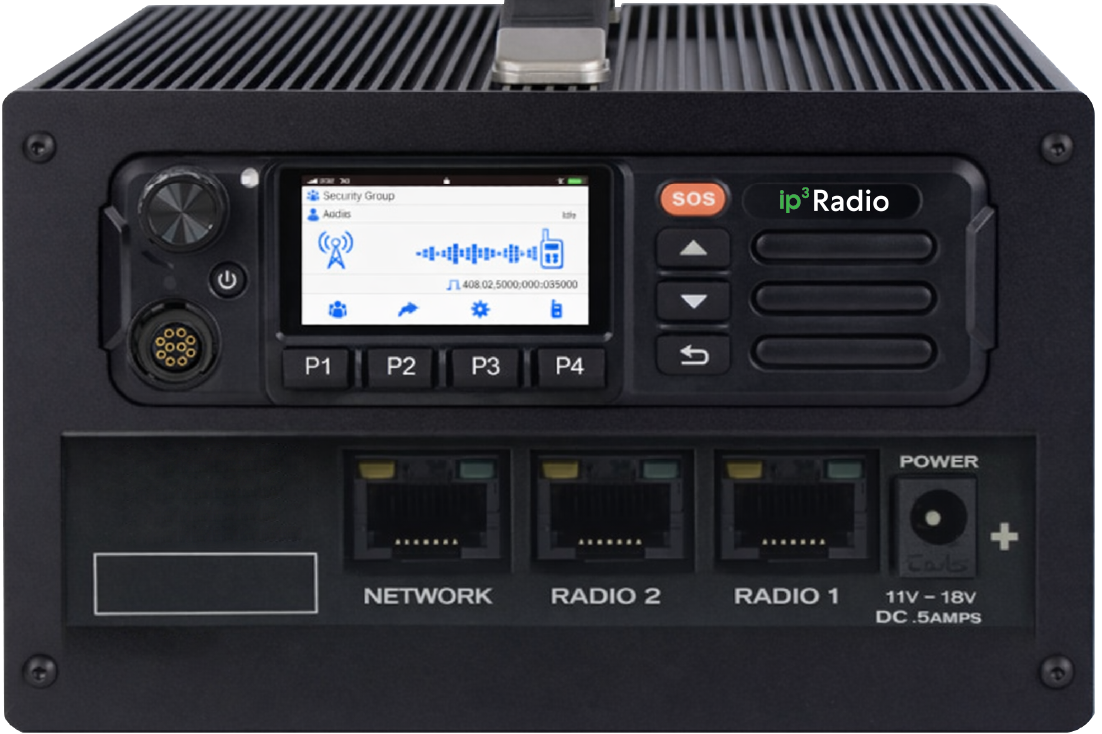
Rugged gateways for connected operations and LMR bridging.
Learn more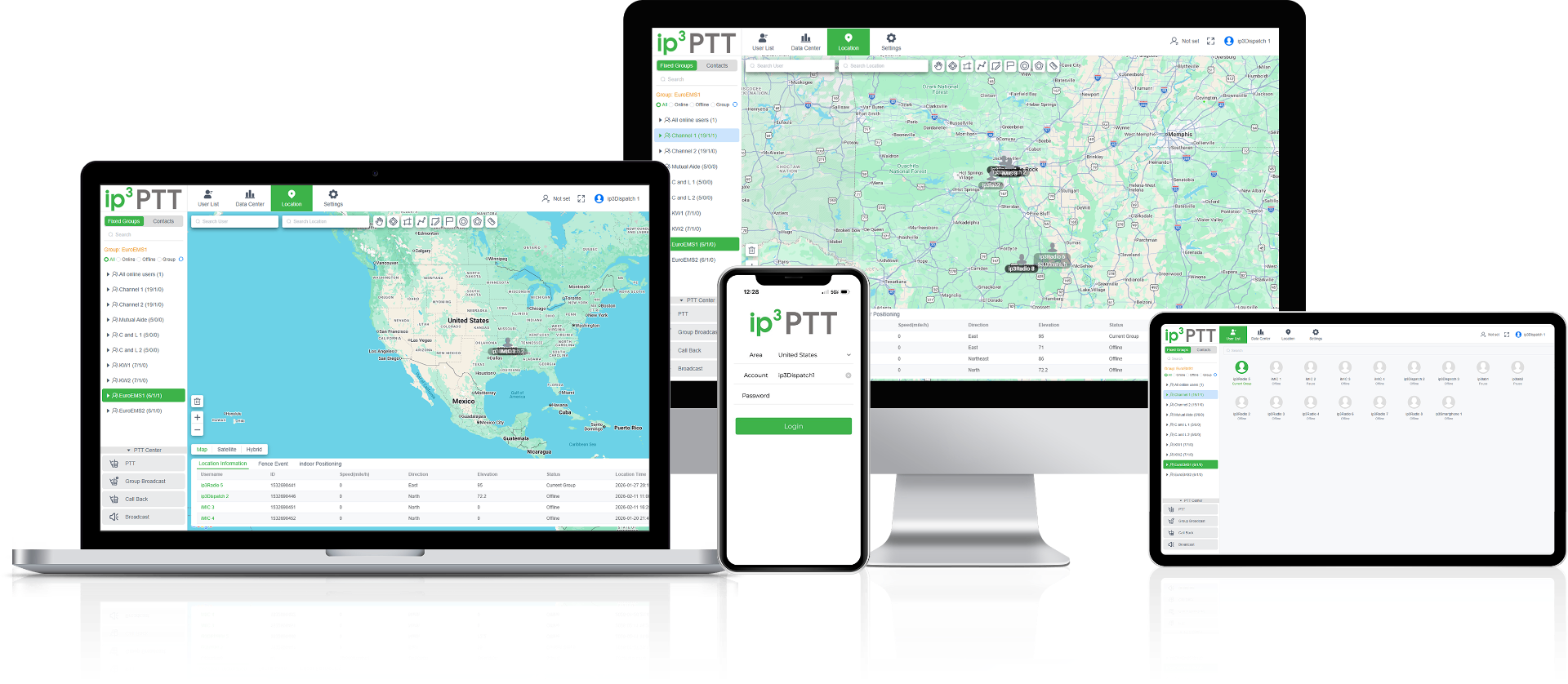
The mobile PTToC app for smartphones and tablets.
Learn more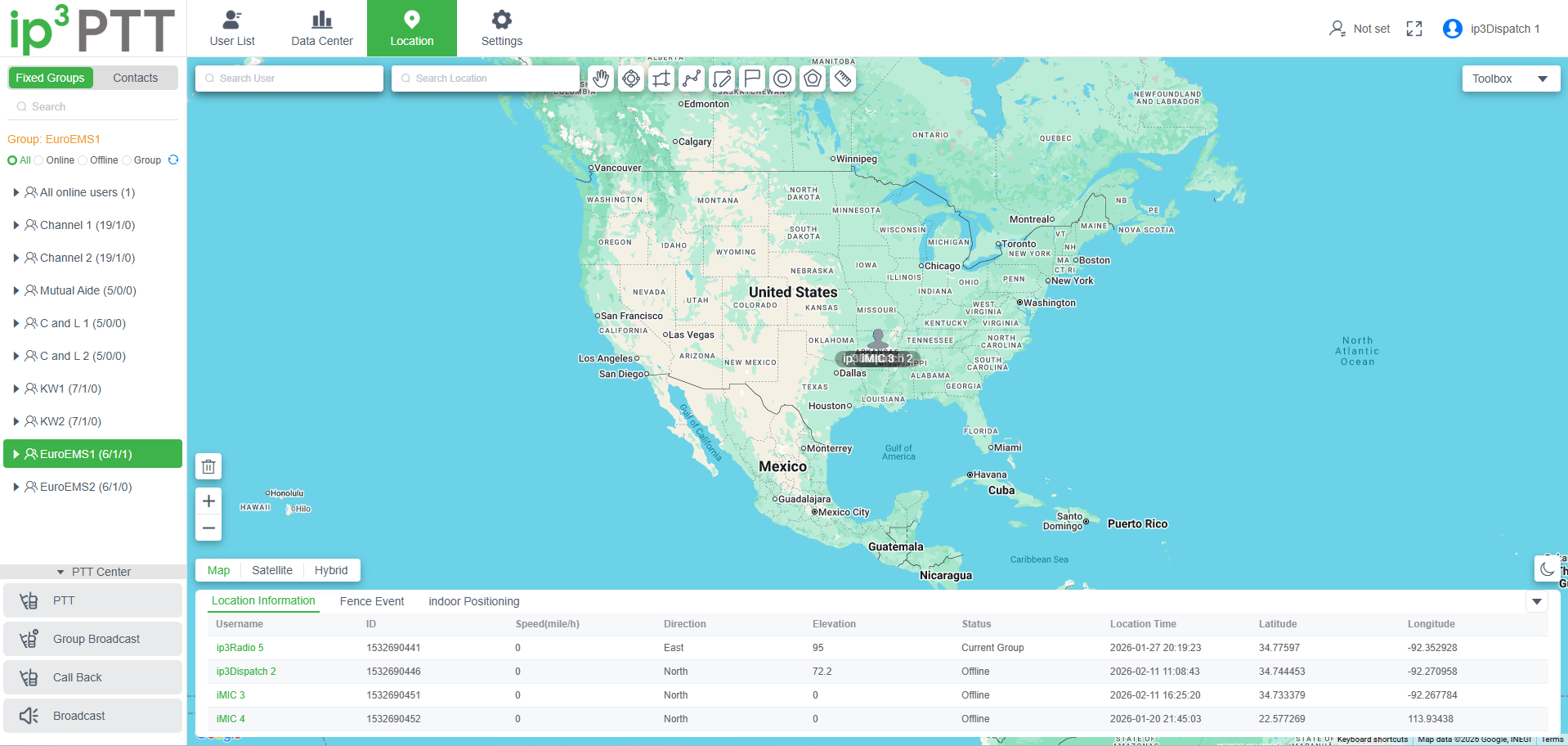
Browser-based dispatch console for incident command.
Learn moreWhether you're coordinating patrol operations, dispatch, School Resource Officers, public works, or mutual-aid response, ip³Things can help you build a managed communications solution that works alongside your existing radio investment.
PTT is hard. We make it easy.