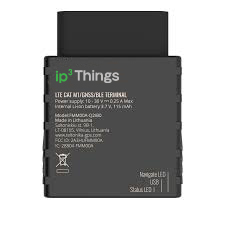
1. Capture
Plug-and-play OBD-II, CAN BUS or in-tank FLS hardware reports fuel level, consumption and engine data.

The ip³Things Fuel Control system turns OBD-II, CAN BUS and after-market fuel-level sensor data into precise fuel intelligence — eliminating theft, detecting unreasonable burns, and paying for itself in 4–6 months.




Use your own fuel-spend and historical loss assumptions to model potential savings. The initial 15% fuel-saving and 90% fuel-loss-recovery scenarios are editable illustrative assumptions, not measured ip³Things outcomes or industry guarantees. Compare each scenario with your fleet records.
Pricing: $20/vehicle/month · $49 one-time provisioning & fulfillment per vehicle.
Estimates only. Actual savings depend on fleet profile, baseline losses, fuel prices and driver behavior.
Sensors capture fuel data in real time — from OBD-II/CAN bus to after-market fuel level sensors. The ip³Things platform turns that data into alerts, reports and savings.
Plug-and-play OBD-II, CAN BUS or in-tank FLS hardware reports fuel level, consumption and engine data.
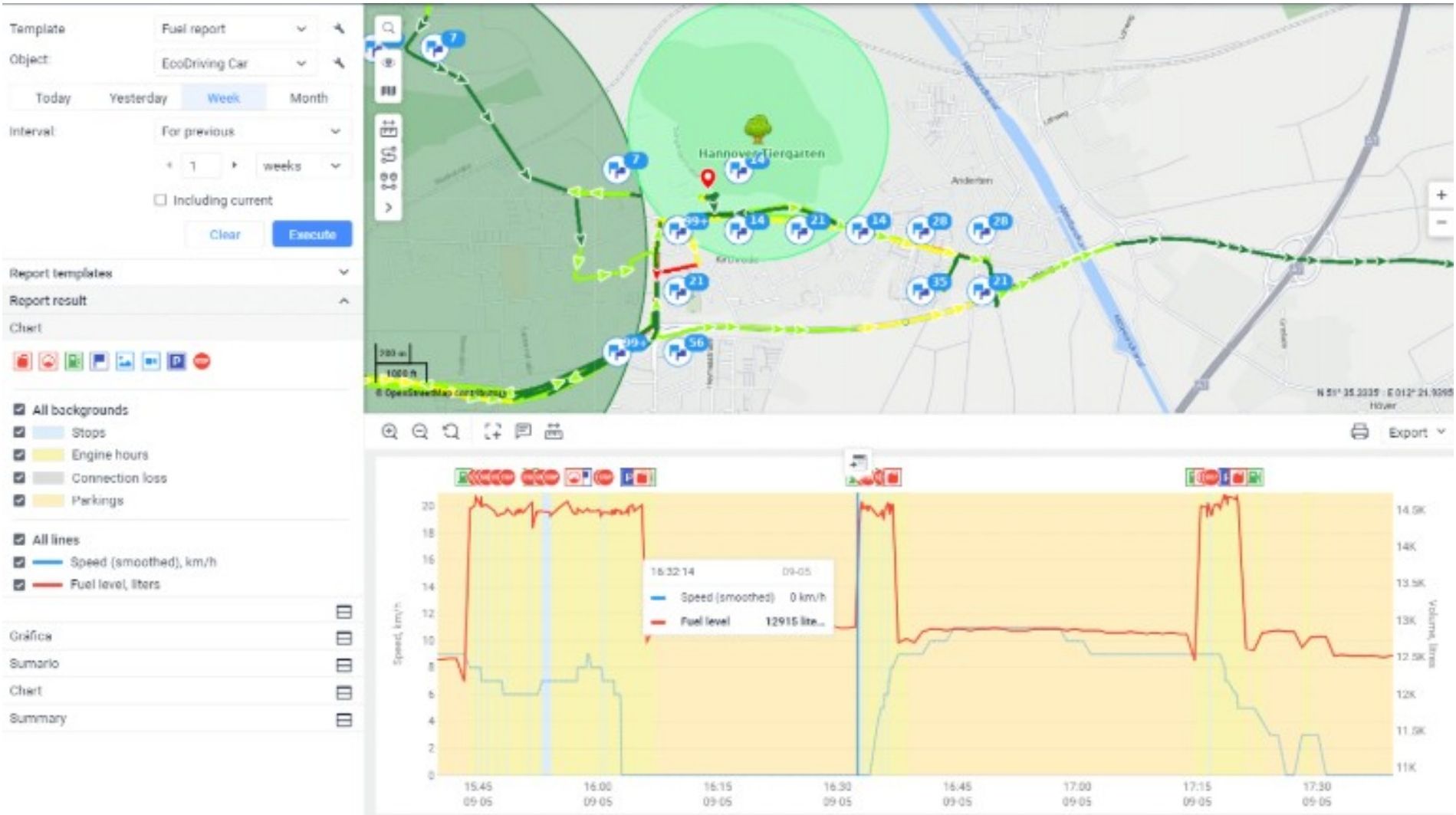
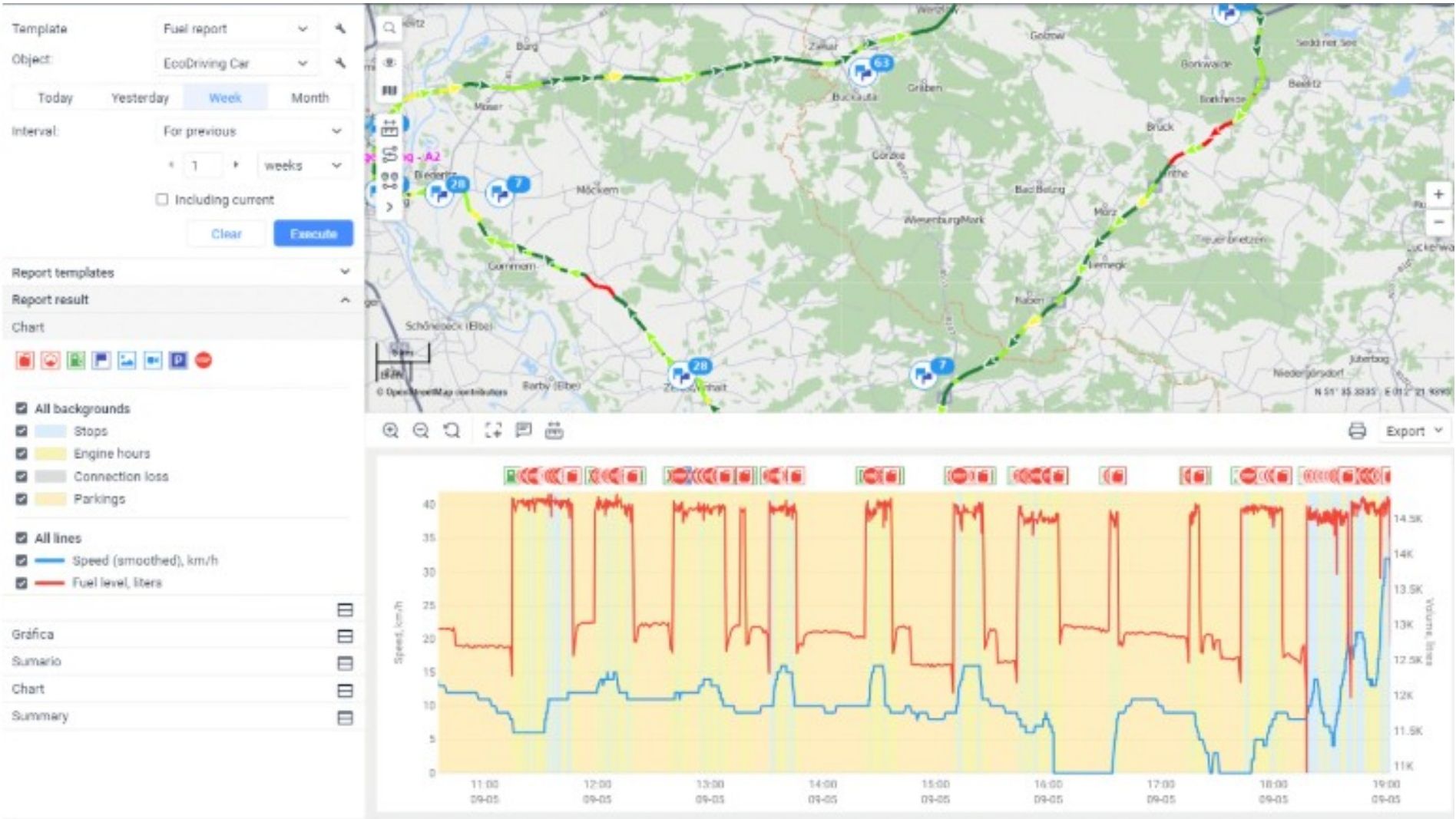
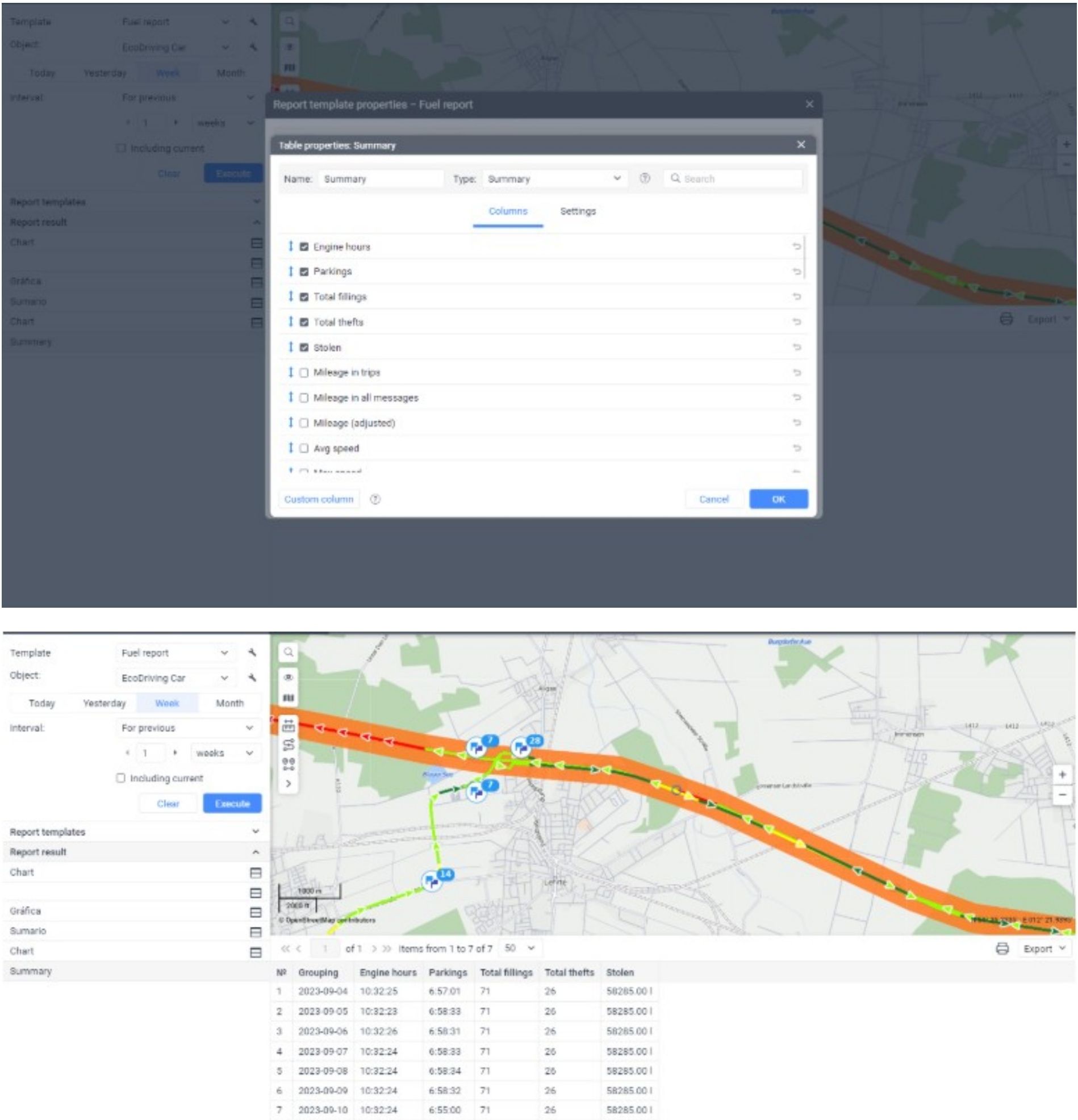
Dispatchers see fuel-level graphs with location pins, refills and theft events on a live map.
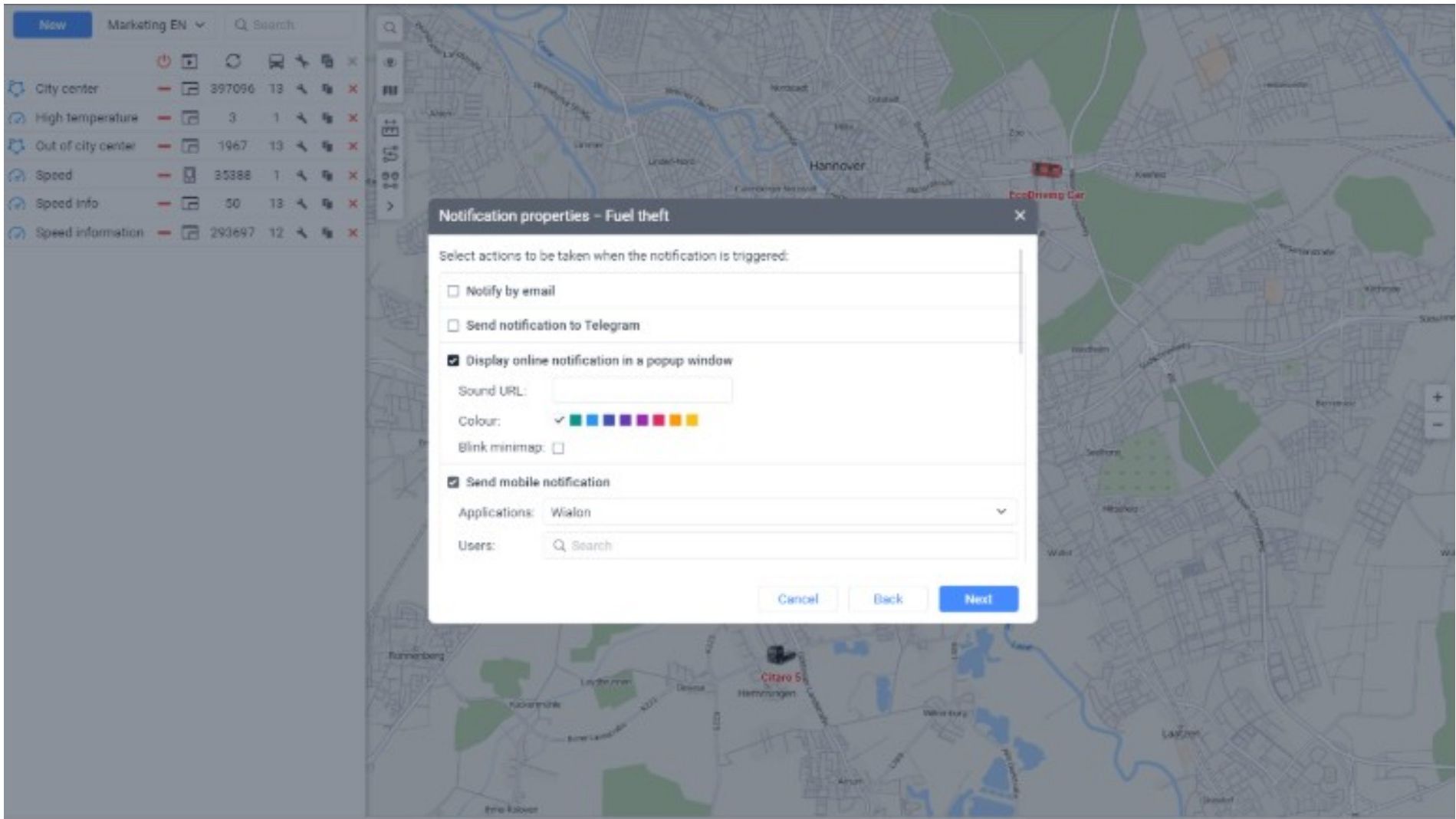
Email, SMS and push alerts on fills and suspected losses. Native iOS/Android app plus a KPI dashboard.
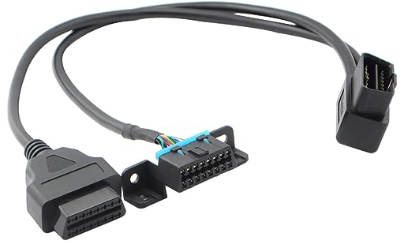
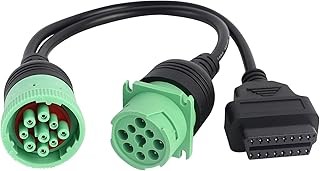
From light-duty vans to heavy-duty trucks and school buses — ip³Fuel Control supports standard OBD-II, OBD-II Y-splitter and J1939 connections.






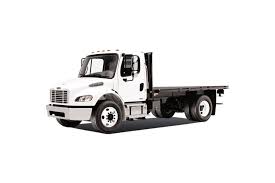

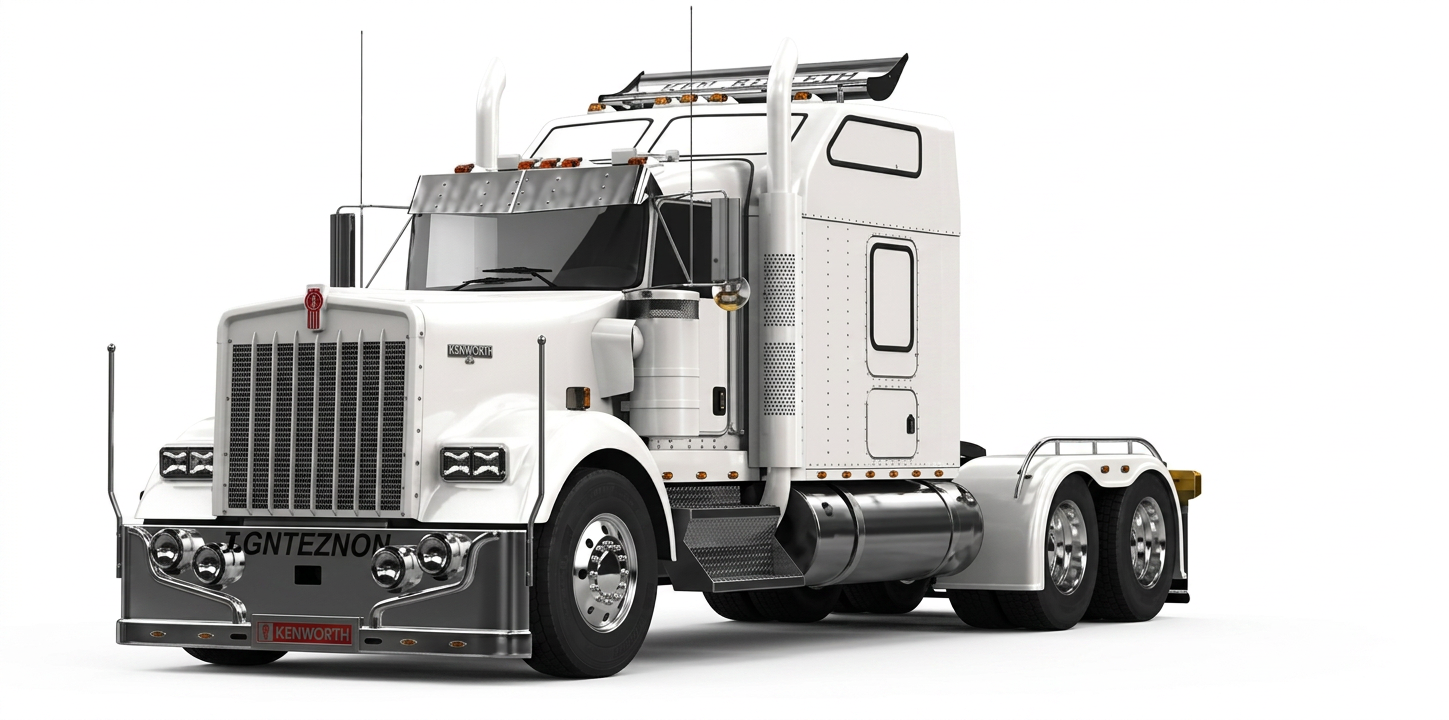
ip³Fuel Control runs on an OBD-II tracker that reads supported OBD-II and CAN BUS parameters — typically fuel level, odometer, RPM, speed and engine hours — across a constantly growing list of supported makes and models. Exactly which values are available varies by make, model, year, controller and protocol implementation. Search your vehicle below to confirm support.
This list is a curated subset of the vehicles we have recorded, and it is not a complete compatibility statement. Available parameters vary by make, model, year and configuration. Don't see your vehicle? Send us the VIN and we'll confirm what the deployment can read before you order. Heavy-duty trucks are addressed via our OBD-II ↔ J1939 adapter, qualified per vehicle.
Fuel data is evidence, not a verdict. Knowing the limits up front is what keeps a rollout credible with drivers, dispatch and finance.
Our recommendation: run a baseline period before you set thresholds, review the first exceptions with the drivers involved, and only then publish targets. Savings figures on this page are calculator outputs from the assumptions you enter, not a guaranteed result.
We'll size a pilot and ship pre-provisioned hardware to your yard.